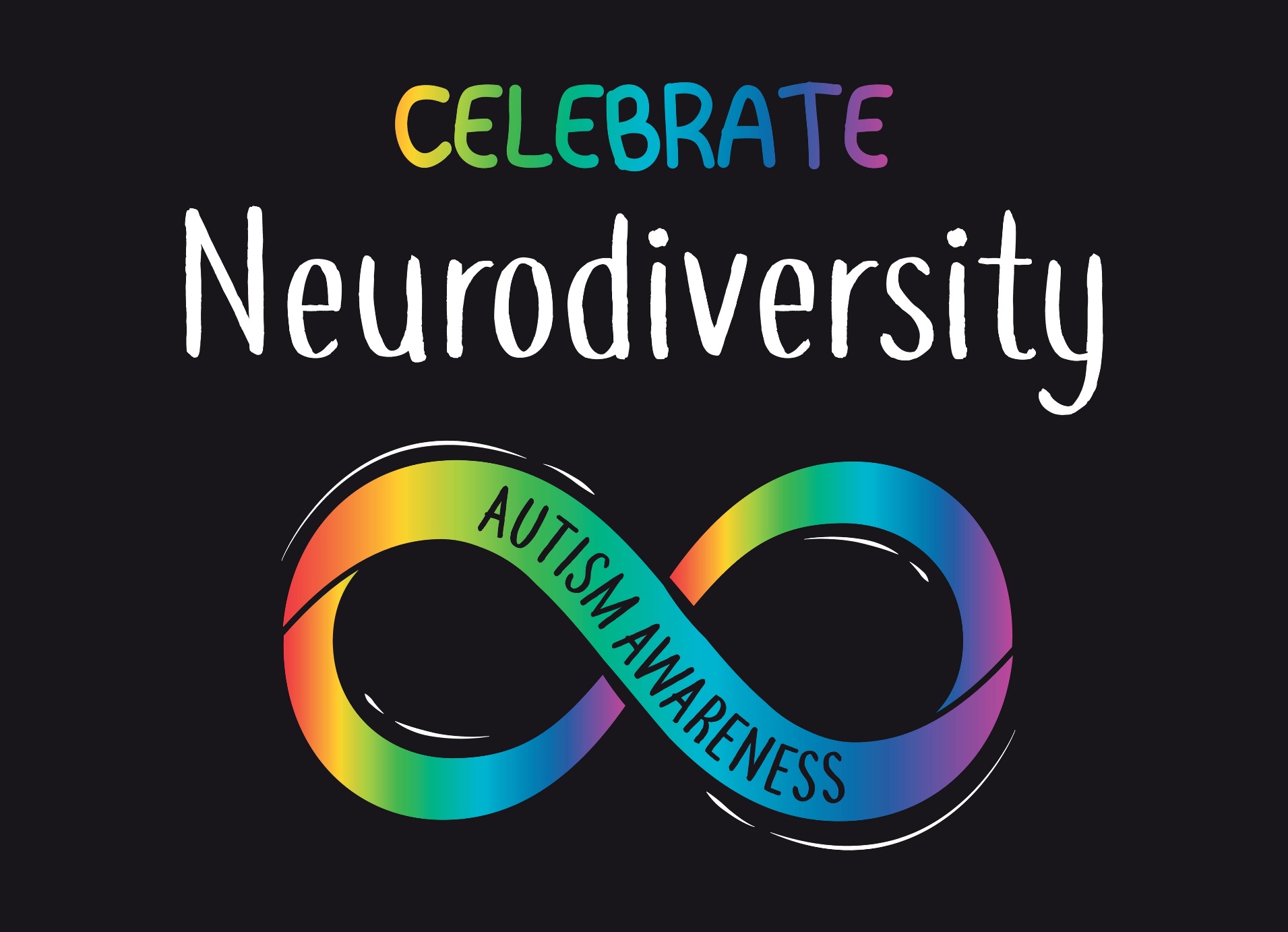
Our neurodiversity-affirming approach views people with high-functioning autism as having
diversified interests, abilities, and lifestyles. Our counselors embrace neurodiversity and deeply
respect the fact that many adults with high-functioning autism are happy the way they are and are
not interested in changing their behavior.
People with high-functioning autism are often misunderstood by others and may seek our help
for problems with social interactions, verbal and nonverbal communication, and other life skills
and behavioral self-management issues. Here are some examples:
Social Skills Problems
• Poor conversational skills
• Feeling awkward and anxious in social situations
• Problems making and keeping friends
• Preferring to be alone and avoiding people
• Only participates in a restricted range of social activities
Nonverbal Communication Difficulties
• Poor eye contact
• Unusual mannerisms and repetitive body movements
• Misunderstanding what others are thinking or feeling
• Problems interpreting another’s voice tone, facial expressions, and other body language
Behavioral Self-Management Issues
• Poor problem-solving skills
• Difficulties in planning and organization
• Adherence to strict routines and strong resistance to change
• Short attention span
• Problems controlling emotions
High-Functioning autism in adults is often associated with:
• Social dating problems
• Lacking skills necessary for lasting romantic relationships
• Challenges adapting to college life
• Difficulties handling job interviews
• Unemployment or underemploymen
• Financial difficulties
• Sleep disorders
• Poor physical health
Mental health problems that accompany high-functioning autism in adults may include:
• Anxiety
• Depression
• Attention Deficit Hyperactivity Disorder (ADHD)
• Low self-esteem
• Problems managing anger and other emotions
How is High-Functioning Autism in Adults Diagnosed?
High-Functioning Autism in Adults can be diagnosed by a psychologist, psychiatrist, neurologist,
or other qualified physician. Making a diagnosis may include the following:
• A thorough medical history taken from the patient
• A psychological assessment of the patient’s past and present behavior
• Interviews of relatives and others who know the patient very well
• Neuropsychological Testing
• Behavioral criteria described in the latest edition of the Diagnostic and Statistical Manual of the American Psychiatric Association
How is High-Functioning Autism in Adults Treated When Help is Requested?
As we explained earlier, our neurodiversity-affirming counselors respect and embrace the fact
that many people with high-functioning autism are happy the way they are and are not seeking to
change. Those who are looking for help may benefit from a several approaches, including the
following:
Life Skills Behavioral Therapy
Life Skills Behavioral Therapy is a form of behavior therapy designed to help adults with high-functioning autism achieve greater success in important areas of life. Life Skills Behavioral
Therapy may help with the following:
• Social dating skills
• Sex education
• Dealing with the challenges faced by college students
• Handling job interviews
• Learning interpersonal skills necessary for success in the workplace
Social and Interpersonal Skills Training
Social and Interpersonal Skills Training is a type of Life Skills Behavioral Therapy that helps
adults with high-functioning autism learn conversational skills and communicate more
effectively through facial expressions, eye contact, and body language. Additional skills that are
taught include active listening, emotional self-control, and the development of empathy.
Behavioral Self-Management Training
Behavioral Self-Management Training is especially useful in the treatment of adults with high-functioning autism. Specific methods of instruction and practice are used to develop more
effective organizational, time management, decision-making, and problem-solving skills.
Behavioral Self-Management Training may also be helpful in reducing anxiety, managing anger,
and improving relationships.
Cognitive Behavioral Therapy (CBT)
Cognitive Behavioral Therapy (CBT) is based on the idea that the way a person thinks and feels
affects the way they behave. The goal of treatment is to help identify and change maladaptive
thought patterns in order to cope more effectively with difficult situations. In addition to the
treatment of autism, Cognitive Behavioral Therapy may be helpful in the treatment of the mental
health issues that often accompany high-functioning autism in adults.
Supportive Counseling
Supportive counseling provides much needed social and emotional support to adults with high-functioning autism. The counselor encourages people to talk about their feelings, concerns, and
problems in a safe, nonjudgmental environment. Supportive counseling may help with painful
emotions that often accompany relationship problems.
Family Counseling
Family Counseling focuses on improving relationships among family members. A lack of
knowledge about the nature of high-functioning autism may be a source of frustration. In Family
Counseling, problems related to autism are explained, and family members are taught specific
ways of helping and providing emotional support to the person with high functioning autism.
Our neurodiversity-affirming approach views people with high-functioning autism as having
diversified interests, abilities, and lifestyles. Our counselors embrace neurodiversity and deeply
respect the fact that many adults with high-functioning autism are happy the way they are and are
not interested in changing their behavior.
People with high-functioning autism are often misunderstood by others and may seek our help
for problems with social interactions, verbal and nonverbal communication, and other life skills
and behavioral self-management issues. Here are some examples:
Social Skills Problems
• Poor conversational skills
• Feeling awkward and anxious in social situations
• Problems making and keeping friends
• Preferring to be alone and avoiding people
• Only participates in a restricted range of social activities
Nonverbal Communication Difficulties
• Poor eye contact
• Unusual mannerisms and repetitive body movements
• Misunderstanding what others are thinking or feeling
• Problems interpreting another’s voice tone, facial expressions, and other body language
Behavioral Self-Management Issues
• Poor problem-solving skills
• Difficulties in planning and organization
• Adherence to strict routines and strong resistance to change
• Short attention span
• Problems controlling emotions
High-Functioning autism in adults is often associated with:
• Social dating problems
• Lacking skills necessary for lasting romantic relationships
• Challenges adapting to college life
• Difficulties handling job interviews
• Unemployment or underemploymen
• Financial difficulties
• Sleep disorders
• Poor physical health
Mental health problems that accompany high-functioning autism in adults may include:
• Anxiety
• Depression
• Attention Deficit Hyperactivity Disorder (ADHD)
• Low self-esteem
• Problems managing anger and other emotions
How is High-Functioning Autism in Adults Diagnosed?
High-Functioning Autism in Adults can be diagnosed by a psychologist, psychiatrist, neurologist,
or other qualified physician. Making a diagnosis may include the following:
• A thorough medical history taken from the patient
• A psychological assessment of the patient’s past and present behavior
• Interviews of relatives and others who know the patient very well
• Neuropsychological Testing
• Behavioral criteria described in the latest edition of the Diagnostic and Statistical Manual of the American Psychiatric Association
How is High-Functioning Autism in Adults Treated When Help is Requested?
As we explained earlier, our neurodiversity-affirming counselors respect and embrace the fact
that many people with high-functioning autism are happy the way they are and are not seeking to
change. Those who are looking for help may benefit from a several approaches, including the
following:
Life Skills Behavioral Therapy
Life Skills Behavioral Therapy is a form of behavior therapy designed to help adults with high-functioning autism achieve greater success in important areas of life. Life Skills Behavioral
Therapy may help with the following:
• Social dating skills
• Sex education
• Dealing with the challenges faced by college students
• Handling job interviews
• Learning interpersonal skills necessary for success in the workplace
Social and Interpersonal Skills Training
Social and Interpersonal Skills Training is a type of Life Skills Behavioral Therapy that helps
adults with high-functioning autism learn conversational skills and communicate more
effectively through facial expressions, eye contact, and body language. Additional skills that are
taught include active listening, emotional self-control, and the development of empathy.
Behavioral Self-Management Training
Behavioral Self-Management Training is especially useful in the treatment of adults with high-functioning autism. Specific methods of instruction and practice are used to develop more
effective organizational, time management, decision-making, and problem-solving skills.
Behavioral Self-Management Training may also be helpful in reducing anxiety, managing anger,
and improving relationships.
Cognitive Behavioral Therapy (CBT)
Cognitive Behavioral Therapy (CBT) is based on the idea that the way a person thinks and feels
affects the way they behave. The goal of treatment is to help identify and change maladaptive
thought patterns in order to cope more effectively with difficult situations. In addition to the
treatment of autism, Cognitive Behavioral Therapy may be helpful in the treatment of the mental
health issues that often accompany high functioning autism in adults.
Supportive Counseling
Supportive counseling provides much needed social and emotional support to adults with high-functioning autism. The counselor encourages people to talk about their feelings, concerns, and
problems in a safe, nonjudgmental environment. Supportive counseling may help with painful
emotions that often accompany relationship problems.
Family Counseling
Family Counseling focuses on improving relationships among family members. A lack of
knowledge about the nature of high-functioning autism may be a source of frustration. In Family
Counseling, problems related to autism are explained, and family members are taught specific
ways of helping and providing emotional support to the person with high functioning autism.

Life Skills Psychological Services
65 Hilton Avenue, Suite 300
Garden City, NY 11530
516-414-6760
516-706-0026
Child Behavioral Issues
Adult Behavioral Issues
Anxiety and Depression
Relationship Problems
ADHD in Children
ADHD in Adults
Autism in Children
High-Functioning Autism in Adults
Life Skills Therapy
Parent Training
Psychological Testing
Privacy Policy Medical
Privacy Policy General
Disclosures
Terms and Conditions
Accessibilty Statement
Copyright © 2025 to present Life Skills Applied Behavior Analysis and Psychological Services, P.C.
all rights reserved
Website by:
SMR Website Design